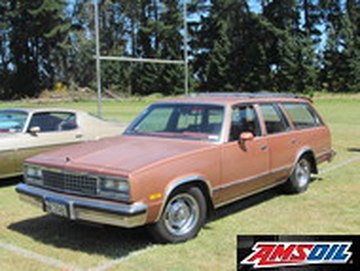
Engine Lubrication and Maintenance for the 1982 Chevrolet MALIBU 4.4L
Maintaining a vehicle from the early 1980s requires a proactive approach to fluid management and mechanical inspection. For the 1982 Chevrolet MALIBU equipped with the 4.4L engine, consistent attention to lubrication is a fundamental aspect of long-term ownership. While modern vehicles often feature automated monitoring systems, older engines rely heavily on manual checks and owner observation to ensure all components remain properly lubricated and functional.
Monitoring Fluid Integrity and Condition
One of the most effective ways to monitor the health of an engine is through regular observation of its fluids. For this Chevrolet MALIBU, checking the lubricant level and condition should be a routine part of your maintenance schedule. When inspecting the oil, look for changes in color or texture that might indicate something is amiss. While some discoloration is normal as oil ages and collects particulates, extreme darkening or a gritty texture can warrant further investigation.
Beyond just checking levels, pay close attention to any signs of external leakage. Inspecting the area around the engine block and under the vehicle for fresh fluid spots can help identify potential issues before they escalate. If you notice evidence of seepage near gaskets or seals, it is wise to monitor whether the leak is active or merely a sign of age-related residue. Addressing minor seepage early can prevent more significant fluid loss that could lead to mechanical stress.
Practical Inspection Priorities for Aging Engines
As vehicles age, certain components naturally become more sensitive to environmental factors and usage. For an owner of a 1982 MALIBU, prioritizing inspections based on the current condition of the vehicle is often more effective than following a generic age-based checklist. If you are working with a vehicle that has a documented service history, you can use those records to establish a baseline for what "normal" looks like for your specific engine.
If maintenance records are incomplete, your first priority should be establishing that baseline through thorough visual inspections. This includes:
- Checking for fluid seepage: Look closely at various sealing surfaces and connection points for any signs of moisture or residue.
- Inspecting accessible belts: If the engine is equipped with drive belts, check them for signs of cracking, glazing, or fraying.
- Examining hoses: If present, inspect rubber hoses for softness, swelling, or visible cracks that could indicate they are becoming brittle.
- Evaluating electrical connections: Ensure that wiring and connectors appear secure and free from significant corrosion or fraying.
By focusing on these areas, you can distinguish between components that simply need monitoring and those that require immediate attention. This condition-based approach ensures that maintenance efforts are directed where they will provide the most benefit.
Understanding Lubricant Functionality
The engine oil in your 4.4L Chevrolet serves several vital roles beyond simple lubrication. It acts as a primary medium for heat management, helping to carry thermal energy away from high-friction areas within the engine. Additionally, the lubricant helps to suspend and carry away microscopic particulates that can accumulate during operation, preventing them from settling and forming deposits.
Maintaining the quality of this fluid is essential for managing these processes. Over time, lubricants can undergo oxidation or become contaminated by combustion byproducts, which may alter their ability to protect engine components effectively. This is why regular changes are necessary; fresh lubricant ensures that the additives designed to control deposits and manage heat remain at effective concentrations.
Identifying Potential Warning Signs
While many maintenance tasks are preventive, being able to recognize when something requires investigation can save significant time and effort. If you notice unusual symptoms during operation, do not ignore them. It is important to remember that a single symptom can be associated with multiple different causes, so an observation should be treated as a prompt for inspection rather than a definitive diagnosis.
Keep an eye out for the following:
- Changes in lubricant consumption: If you find yourself needing to add oil more frequently than usual, investigate the cause.
- Unusual mechanical noises: Any new or persistent sounds coming from the engine area should be evaluated by a professional.
- Visible exhaust smoke: Changes in the color or frequency of exhaust smoke can indicate changes in how the engine is operating.
- Warning indicators: If any dashboard lights related to oil or engine health illuminate, address them immediately.
If you notice a burning odor, this may indicate that lubricant is contacting a hot surface. Such observations warrant a careful inspection of the engine bay to locate the source of the issue.
Managing Long-Term Ownership and Records
For those committed to the long-term care of a 1982 Chevrolet MALIBU, keeping detailed maintenance records is one of the most valuable habits an owner can develop. A well-maintained logbook provides a clear history of what has been serviced, when it was done, and what parts were used. This is particularly helpful when you are trying to determine if a new symptom is related to a recent repair or if it is a developing issue.
Having access to service history allows you to make informed decisions about whether to perform preventive maintenance or to wait until a component shows actual signs of wear. It also helps in identifying patterns, such as how often certain fluids need to be topped off or how frequently specific components require inspection. If you have recently acquired the vehicle and lack these records, your initial goal should be to document every service performed moving forward to build a new, reliable baseline.
Buying Engine Oil for your 1982 Chevrolet MALIBU 4.4L
When it is time to replenish your engine's lubrication, the most important step is ensuring that the product you select matches the specific requirements of your application. Rather than relying on general assumptions about older engines or modern oil trends, always refer to the vehicle-specific viscosity and application information provided on this webpage.
When shopping for products, consider the following practical tips:
- Match the application: Ensure the oil grade matches the specific instructions listed in your vehicle's technical data.
- Verify API certification: Check the product label to ensure the oil meets current industry standards for quality and performance.
- Evaluate formulations: Depending on your engine's condition, you may choose between conventional, synthetic blend, or full synthetic options. Some high-mileage formulations are specifically designed with additives intended for use in aging engines, including seal-conditioning additives that may be beneficial for older seals.
- Inspect the label: Always read the fine print on the container to confirm it is the correct product for your specific engine and requirements before completing your purchase.
By following the application-specific guidance displayed here, you can ensure that your 1982 Chevrolet MALIBU receives the appropriate lubrication necessary for continued operation.